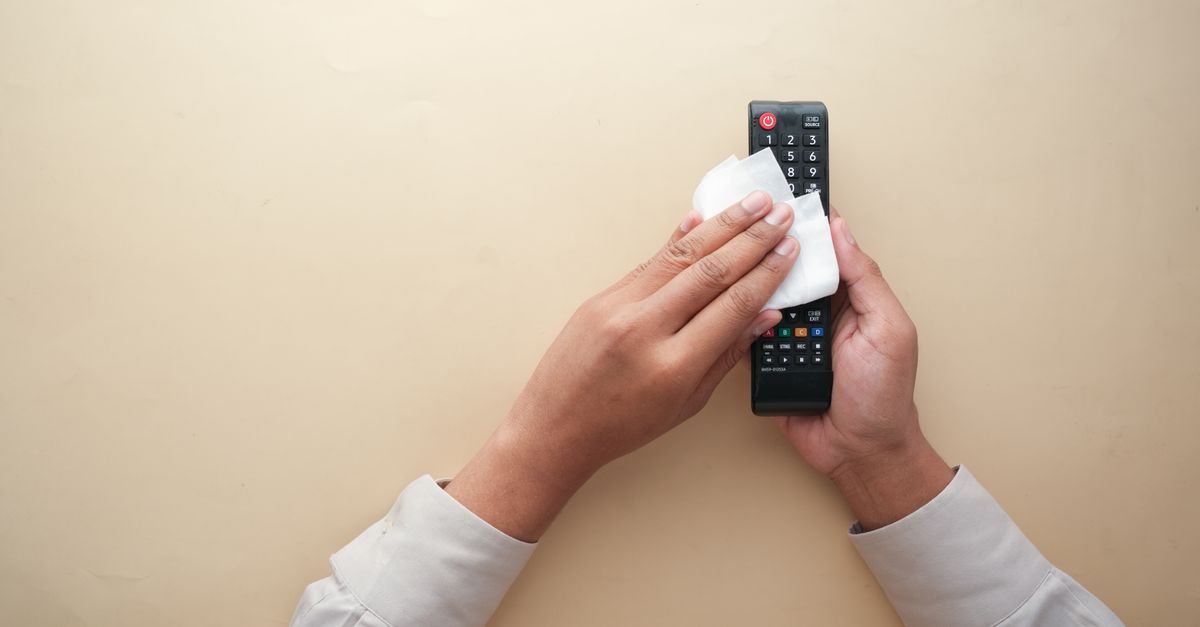
When I first moved into my own place, I was like most people: drawn to the siren song of convenience. Those pre-moistened, all-in-one cleaning wipes promised a sparkling home with minimal effort. Just pull, wipe, and toss! What could be easier? For years, they were my go-to for kitchen counters, bathroom surfaces, and quick spills. I genuinely believed I was being efficient and hygienic.
But as I delved deeper into sustainable living, I started to notice things. The sheer volume of plastic packaging piling up from these wipes. The peculiar, often harsh chemical scent that lingered after use. The way they seemed to just push dirt around, rather than truly clean. And then, there was the cost – a steady, silent drain on my budget that I hadn’t properly accounted for.
What truly changed my perspective was when I started to investigate the actual cleaning power and the long-term impact of these products. I realized that the convenience they offered was a facade, masking deeper environmental problems and, ironically, a less effective clean. This isn’t just about being ‘eco-friendly’; it’s about making smarter choices for your home, your wallet, and your health. If you’re still relying on disposable cleaning wipes, you’re likely falling into the same trap I did, and it’s time to uncover the hidden costs.
Key Takeaways
- Disposable cleaning wipes are less effective and more expensive than you think, often just pushing dirt and chemicals around.
- Their single-use nature creates significant plastic waste and contributes to microplastic pollution in waterways.
- The harsh chemicals in many wipes can irritate skin, lungs, and are harmful to aquatic life.
- Simple, reusable alternatives like microfiber cloths, vinegar, and baking soda offer a superior clean without the hidden costs or environmental damage.
The Illusion of Convenience: Why Wipes Don’t Truly Clean
The biggest selling point of disposable cleaning wipes is convenience, but in my experience, this convenience often comes at the expense of actual cleanliness. Think about it: when you wipe a surface with a pre-moistened wipe, what happens? You’re essentially spreading a small amount of cleaning solution (and whatever dirt was on the wipe) over a larger area. The wipe picks up some grime, but it also leaves behind a thin film of moisture and chemicals. This isn’t a deep clean; it’s a surface-level ‘sheen’ that gives the illusion of cleanliness.
I vividly remember cleaning my kitchen counter with a popular brand of anti-bacterial wipe, thinking I was sanitizing it. Later, when I ran a clean, damp cloth over the same spot, I was shocked to see a faint film of residue on the cloth. The wipe hadn’t removed the grime; it had just spread it and left behind its own chemical signature. This residue can then attract more dust and dirt, creating a cycle where you feel the need to wipe more often, buying more wipes, and never quite achieving a truly clean surface.
Furthermore, many disposable wipes are made from synthetic fibers that don’t effectively trap dirt and microbes like a good quality cloth. They’re designed to be used once and tossed, which means they’re often flimsy and saturated with just enough liquid to appear wet, but not enough to genuinely lift and hold dirt. For effective cleaning, you need a material that can absorb and trap particles, and a solution that can break down grime – something these single-use items rarely deliver beyond the most superficial tasks. It’s a classic case of sacrificing efficacy for perceived ease.
The Environmental Burden: More Than Just Landfill Waste
When I first started to consider the environmental impact, my mind immediately went to landfills. Each wipe is a single-use item, and multiplied by millions of households using them daily, that’s an astronomical amount of waste. A single container holds typically 30-80 wipes, and many families go through several containers a month. That’s a minimum of 360 to 960 wipes per household per year, all destined for the trash. But the problem goes far beyond simple volume in landfills.
Most disposable wipes are made from non-biodegradable materials like polyester, polypropylene, and other plastics. They don’t break down naturally, meaning they’ll sit in landfills for hundreds of years. And here’s the kicker: many people flush them down the toilet, despite explicit ‘do not flush’ warnings. This leads to massive plumbing blockages, known as ‘fatbergs,’ that cost municipalities millions to clear and cause sewage backups into homes and waterways. These are public infrastructure costs we all pay for, directly or indirectly.
Even more insidious is the issue of microplastic pollution. As these plastic-laden wipes break down (or are improperly flushed), they release tiny plastic fibers into our soil, water systems, and ultimately, our oceans. These microplastics are ingested by marine life and can enter our food chain, posing potential health risks that we’re only just beginning to understand. The plastic packaging of the wipes themselves, often made from virgin plastic, further exacerbates this cycle, demanding more fossil fuels for production and contributing to an endless stream of waste. It’s a cascading problem that a moment of ‘convenience’ simply isn’t worth.
The Chemical Cocktail: Hidden Health and Ecological Risks
Another aspect of disposable cleaning wipes that I wish I had understood earlier is the chemical load. While some brands boast ‘natural’ ingredients, many popular wipes contain a potent mix of synthetic chemicals, fragrances, and preservatives. These ingredients are often irritants and can pose significant risks to both human health and the environment.
Common culprits include phthalates (often hidden in ‘fragrance’), parabens, and quaternary ammonium compounds (quats), which are harsh disinfectants. When I used these wipes regularly, I’d often notice my hands felt dry and irritated, even after a quick wipe. The strong, lingering scent would sometimes give me a headache or make my eyes water. It’s no surprise, as these chemicals can trigger allergic reactions, asthma attacks, and skin irritation in sensitive individuals. Long-term exposure to some of these chemicals has even been linked to more serious health concerns.
Beyond your immediate health, consider the environmental impact when these chemicals are washed down the drain. Quats, for instance, are known to be toxic to aquatic organisms, disrupting ecosystems in lakes, rivers, and oceans. The cumulative effect of billions of gallons of chemical-laden water from homes and industries, all containing traces of these substances, is devastating. The ‘clean’ you’re getting from a disposable wipe isn’t just an illusion on your counter; it’s a chemical burden on your body and the planet.
The Financial Drain: An Unseen Budget Hole
Initially, I thought disposable wipes were a cheap way to clean. A container might cost $3-5, and that seemed reasonable for a quick fix. However, when I actually sat down and calculated my annual spending, the numbers were eye-opening. If you use one container a month, that’s $36-60 a year. But many households, including mine at one point, use far more – easily two or three containers a month for various tasks around the house. That quickly escalates to $72-180+ annually. For something that doesn’t even provide a truly effective clean, that’s a significant amount of money silently leaving your wallet.
Compare this to the cost of sustainable alternatives. A pack of high-quality microfiber cloths might cost $15-25, but they last for years and can be washed and reused hundreds of times. A large bottle of white vinegar costs a few dollars and can be diluted to make an incredibly effective all-purpose cleaner that lasts for months. Baking soda is even cheaper and tackles tough grime. My initial investment in reusable cleaning tools and bulk natural solutions was less than what I spent on disposable wipes in just a few months, and these alternatives have lasted me for years.
The real financial drain isn’t just the upfront cost; it’s the recurring, unacknowledged expense. You’re constantly repurchasing a product that has a built-in obsolescence. By shifting to reusable and multi-purpose cleaning supplies, I not only achieved a better clean but also freed up a surprising amount of money in my budget that was previously going to an ineffective, environmentally damaging product. It’s an investment that pays dividends in both cleanliness and savings.
What Actually Works: The Simple, Sustainable Cleaning Arsenal
After recognizing the hidden costs and ineffectiveness of disposable wipes, I overhauled my cleaning routine. What I discovered was that the most effective and sustainable cleaning solutions are often the simplest and cheapest. Here’s my go-to arsenal that delivers a truly clean home without the guilt or the drain on my wallet:
High-Quality Microfiber Cloths: These are game-changers. Microfiber is excellent at trapping dust, dirt, and even microbes without needing harsh chemicals. I have different colors for different areas (e.g., blue for kitchen, green for bathroom) to prevent cross-contamination. They are incredibly durable, machine washable, and last for years. I simply dampen them with water or a homemade solution, wipe, and toss into the laundry. They absorb so much more effectively than any disposable wipe.
White Vinegar: This is my all-purpose cleaning superstar. Mixed with water (1:1 ratio) in a reusable spray bottle, it cleans countertops, windows (streak-free!), bathroom fixtures, and even acts as a mild disinfectant. The smell dissipates quickly, and it’s completely safe for food prep surfaces. For tougher jobs, a higher concentration or a paste with baking soda works wonders.
Baking Soda: For scrubbing power, baking soda is unbeatable. I use it as a paste with a little water for sinks, stovetops, and tile grout. It’s abrasive enough to lift grime but gentle enough not to scratch most surfaces. It also naturally deodorizes, which is a huge bonus.
Castile Soap: A concentrated, plant-based soap, Castile soap is fantastic for general cleaning. A few drops in water can be used for mopping floors, washing dishes, or even making a gentle hand soap. It’s biodegradable and non-toxic.
Essential Oils (Optional): For a pleasant scent, I sometimes add a few drops of lemon, tea tree, or lavender essential oil to my vinegar or Castile soap solutions. Tea tree oil adds extra antimicrobial properties, while lemon and lavender offer a fresh, clean aroma without synthetic fragrances.
Making this shift wasn’t just about reducing waste; it was about truly understanding what it means to clean effectively and responsibly. My home feels cleaner, smells fresher, and I’ve significantly reduced my environmental footprint and my cleaning expenses. It’s a win-win-win that I wish I’d embraced much sooner.
Frequently Asked Questions
Are disposable cleaning wipes truly sanitary? Does vinegar actually disinfect?
Many disposable wipes contain disinfectants designed to kill bacteria and viruses. However, for these disinfectants to be effective, the surface often needs to remain wet for a specific ‘contact time,’ usually several minutes. People rarely follow these instructions, so the disinfectant may not fully work. Vinegar, while a great cleaner and mild antibacterial/antiviral agent, isn’t considered a broad-spectrum disinfectant like bleach or some commercial cleaners. For true sanitization, especially in areas with high germ risk (like raw meat prep surfaces), consider a hydrogen peroxide solution (3% concentration) or an EPA-approved, eco-friendly disinfectant, used with proper contact time and followed by rinsing.
What about disinfecting wipes for high-risk areas like toilets or sick rooms?
For truly high-risk areas, a dedicated disinfectant, used according to its instructions for contact time, is important. Instead of disposable wipes, you can use a reusable spray bottle filled with an eco-friendly disinfectant solution (many brands now offer effective, plant-based options) and a dedicated set of reusable cloths that are laundered separately in hot water immediately after use. This provides the necessary sanitization without the constant waste.
How often should I wash my reusable microfiber cloths?
It depends on usage. For daily kitchen counter wipes, I wash them every 1-2 days. For bathroom cleaning, I use a fresh cloth each time and wash it immediately. For dusting, they can go longer. The key is to wash them regularly in hot water with a little detergent (avoid fabric softener, as it can reduce microfiber’s effectiveness) to ensure they are clean and ready to trap dirt effectively for their next use.
Can I use essential oils if I have pets?
While essential oils can add a pleasant scent, some are toxic to pets, especially cats and dogs, even when diffused or used in cleaning solutions. For example, tea tree oil can be particularly dangerous. If you have pets, it’s best to research specific oils or avoid them entirely in your cleaning solutions to ensure their safety. A clean, fresh scent can often be achieved with just vinegar and good ventilation.
Will white vinegar damage my surfaces?
White vinegar is generally safe for most common household surfaces, including countertops (laminate, sealed granite), glass, and stainless steel. However, avoid using it on natural stone (like unsealed granite, marble, or travertine) as its acidity can etch the surface over time. Also, avoid it on unsealed grout, cast iron, and waxed surfaces. Always test in an inconspicuous area first if you’re unsure. For these sensitive surfaces, a mild, pH-neutral soap (like diluted Castile soap) and water is a safer bet.
I hope this deep dive helps you make more informed choices about your cleaning routine. Breaking free from the convenience trap of disposable wipes has been one of the most impactful changes I’ve made in my journey towards a more sustainable and genuinely clean home. It’s a small shift with big returns, both for your peace of mind and the planet.