The promise of a DIY air purifier is intoxicating: a simple, inexpensive solution to improve your indoor air quality. I’ve been there, staring at online tutorials, convinced that a box fan, a few MERV-rated furnace filters, and some duct tape were all that stood between me and pristine, allergen-free air. After all, commercial air purifiers can be pricey, and the allure of saving money while being eco-conscious by building it yourself is strong.
But here’s the stark truth I’ve learned from years of testing home efficiency solutions: most DIY air purifiers are a colossal waste of time and money, delivering little to no real benefit. They often create new problems, fall apart quickly, or simply lack the fundamental engineering required to effectively filter air. The mistake I see most often is a fundamental misunderstanding of how air purification actually works, leading people down a path of ineffective, makeshift solutions that offer a false sense of security.
In my experience, the money and effort spent on assembling a ‘Cors-i-box’ or a ‘fan-filter combo’ would be far better invested in understanding the actual science of air filtration and implementing proven strategies. What changed everything for me wasn’t a clever hack, but a deeper dive into particle physics, airflow dynamics, and the hidden inefficiencies of these popular DIY approaches.
Key Takeaways
- DIY air purifiers often lack the necessary airflow and seal to effectively clean air, making them largely ineffective.
- The choice of filter, specifically true HEPA (not just MERV), is paramount for capturing microscopic particles that impact health.
- Poor design can lead to inefficient energy use, increased noise, and even introduce new pollutants from motor heat or unstable materials.
- Proper air change rates (ACH) and room sealing are more critical for long-term air quality than any single, isolated filtration device.
The Fundamental Flaw: Inadequate Airflow and Sealing
When you buy a commercial air purifier, you’re not just buying a fan and a filter; you’re buying an engineered system. This system is designed to pull a specific volume of air through a filter at an optimal speed, ensuring maximum particle capture without excessive resistance. The casing is sealed to prevent air from bypassing the filter, and the fan motor is designed for continuous, quiet operation.
DIY setups, on the other hand, almost universally fail on these critical points. Think about the common ‘box fan and filter’ method. You tape one or more furnace filters to a standard box fan. While a box fan moves a lot of air, it’s designed to push air freely, not through resistance. The moment you add a filter, especially a dense one like a MERV-13 or higher, the fan’s efficiency plummets. It struggles to pull air through, resulting in significantly reduced airflow. A typical 20x20 inch MERV 13 filter might reduce the effective airflow by 50-70% when paired with a consumer box fan. This drastically reduces the Clean Air Delivery Rate (CADR), which is the actual measure of how much clean air an purifier provides.
Furthermore, the sealing is often abysmal. Duct tape or masking tape might hold filters to the fan, but it rarely creates an airtight seal. Air, being lazy, will always take the path of least resistance. This means a significant portion of the air your fan does manage to move will simply go around the filter, carrying all its dust, allergens, and pollutants directly back into your room. I’ve seen setups where gaps of even a quarter-inch negated nearly all the filtration efforts, essentially turning the device into a noisy, electricity-guzzling fan.
What actually works is to choose a system designed for its purpose. Dedicated air purifiers have powerful, high-static pressure fans specifically engineered to overcome the resistance of dense filters. Their casings are precisely molded and sealed to ensure every cubic foot of air passes through the filter, not around it. If you want to improve your air quality, you need to prioritize systems with high CADR ratings for your room size, not just high CFM (cubic feet per minute) fan ratings, which often don’t account for filter resistance.
The Filter Fallacy: Why MERV Isn’t Enough for Health
Many DIY guides proudly recommend MERV-13 or even MERV-14 furnace filters. While these are certainly better than lower MERV ratings for larger particles, they are not true HEPA (High-Efficiency Particulate Air) filters. This distinction is crucial, and it’s where many DIY efforts fall flat in terms of actual health benefits.
True HEPA filters are designed to capture 99.97% of particles as small as 0.3 microns. Why 0.3 microns? This is the Most Penetrating Particle Size (MPPS) – particles both larger and smaller than this are actually easier for a HEPA filter to catch due to different physical mechanisms (impaction for larger, diffusion for smaller). MERV filters, even high-rated ones, don’t guarantee this level of capture efficiency across that critical 0.3-micron size range. They are good at trapping larger dust, pollen, and pet dander, but they often let through the smaller, more dangerous particles like fine PM2.5 (from combustion, cooking, wildfire smoke), viruses, and bacteria.
These sub-micron particles are the ones that penetrate deep into your lungs, enter your bloodstream, and have the most significant impact on respiratory and cardiovascular health. Relying on MERV filters for this level of protection is like bringing a spoon to a knife fight. You might catch some things, but you’re missing the most critical threats.
What actually works is investing in devices that use certified HEPA filters. Look for purifiers that explicitly state ‘True HEPA’ and have a CADR rating appropriate for your space. These are the gold standard for removing the tiny, harmful particles that truly affect your health. If a DIY approach is essential, ensure you source actual HEPA filter media, and then you’ll run into the airflow and sealing challenges I mentioned earlier.
The Hidden Costs: Noise, Energy Waste, and New Pollutants
The initial cost savings of a DIY air purifier are often illusory, evaporating rapidly when you factor in operational expenses and potential downsides. I’ve observed several hidden costs that frequently go unaddressed:
Energy Inefficiency: A standard box fan, when choked by a dense filter, works much harder than intended. Its motor heats up, increasing power consumption for diminished airflow. While a single box fan isn’t a massive energy hog, continuous 24/7 operation can add noticeably to your electricity bill, far exceeding the energy cost of an energy-star rated commercial air purifier designed for efficiency.
Excessive Noise: Box fans are inherently noisy, especially on higher settings. When struggling against filter resistance, they become even louder. I once had a client whose homemade purifier was so loud it interfered with their work-from-home setup, leading them to turn it off more often than not, defeating the entire purpose of continuous filtration.
Motor Degradation and Fire Risk: Forcing a fan motor to work harder than its design parameters can shorten its lifespan significantly. In extreme cases, overheating can even pose a minor fire risk, especially with motors not designed for continuous high-load operation or if placed improperly. While rare, it’s a risk you simply don’t have with properly safety-certified commercial units.
Off-Gassing from Materials: The materials used in DIY construction—cheap plastics, adhesives, duct tape—can sometimes off-gas Volatile Organic Compounds (VOCs) into your air, adding new pollutants while attempting to remove others. While often minor, it’s an irony lost on many DIYers seeking cleaner air.
What actually works is prioritizing energy-efficient, quiet, and safety-certified commercial units. Look for models with an Energy Star rating. Many modern purifiers offer multiple fan speeds, including very quiet ‘sleep’ modes, allowing for continuous operation without disrupting your home environment. This ensures constant air turnover, which is key to maintaining genuinely clean air without creating new problems.
Beyond the Box: Why Whole-Home Strategies Are Superior
Even the most effective standalone air purifier is only a part of the solution. The mistake is often thinking a single device can solve all your air quality problems. The reality is that true, lasting indoor air quality improvement requires a more holistic, whole-home approach that addresses sources, ventilation, and comprehensive filtration.
In my experience, simply running a purifier in one room while the rest of the house leaks air, has high humidity, or harbors chronic dust sources is like bailing water from a leaky boat with a teacup. You need to plug the leaks first.
What actually works involves:
Source Control: This is the absolute first step. Identify and eliminate or reduce sources of indoor air pollution. This means using exhaust fans when cooking, maintaining proper humidity levels to prevent mold, regular cleaning with a HEPA-filtered vacuum, avoiding indoor smoking, and choosing low-VOC paints and furnishings. For example, controlling cooking fumes with a powerful ducted range hood is far more effective than trying to filter those particles after they’ve dispersed throughout your home.
Effective Ventilation: Bringing in fresh outdoor air is crucial to dilute pollutants. This doesn’t mean just opening a window (which can bring in outdoor allergens and pollutants). It means controlled ventilation through systems like Energy Recovery Ventilators (ERVs) or Heat Recovery Ventilators (HRVs) in tightly sealed homes, or simply ensuring your existing exhaust fans are actually venting outside and being used consistently.
Whole-Home Filtration (HVAC Upgrade): The most impactful long-term solution for many homes is upgrading your HVAC system’s filtration. If your furnace or AC uses a MERV-8 filter, upgrading to a MERV-11 or MERV-13 filter (if your system can handle it without straining the fan motor) provides constant, whole-home air filtration whenever your HVAC fan runs. This cleans the air throughout your entire dwelling, not just the immediate vicinity of a single purifier. Consult an HVAC professional to ensure your system can accommodate a denser filter without damage.
My journey to truly clean air involved realizing that individual gadgets, especially DIY ones, were often band-aid solutions. The real game-changer was implementing a layered strategy, starting with prevention and source control, followed by smart ventilation, and finally, supplementing with high-quality, purpose-built air purifiers in key areas if needed. This integrated approach not only delivered noticeably cleaner air but also proved more energy-efficient and sustainable in the long run.
Frequently Asked Questions
Q: Can I use multiple MERV filters together in a DIY setup to get HEPA-level filtration?
A: While stacking multiple MERV filters might theoretically increase filtration efficiency, it dramatically reduces airflow, making the unit largely ineffective. The resistance would be too high for a standard box fan, potentially leading to motor strain and very low CADR. True HEPA filters are engineered with specific media and pleating to achieve high efficiency with manageable airflow, which DIY setups can’t replicate.
Q: Are there any safe and effective DIY air purifier alternatives?
A: Instead of attempting to build a filtration device, focus on source control and natural ventilation first. Simply opening windows for short periods (when outdoor air quality is good) to create cross-ventilation, consistently using exhaust fans in kitchens and bathrooms, and regular cleaning with a HEPA vacuum are more effective and safer DIY alternatives than a homemade fan-filter combo. For actual particle removal, a commercial unit is recommended.
Q: How do I know if my indoor air quality is bad without a purifier?
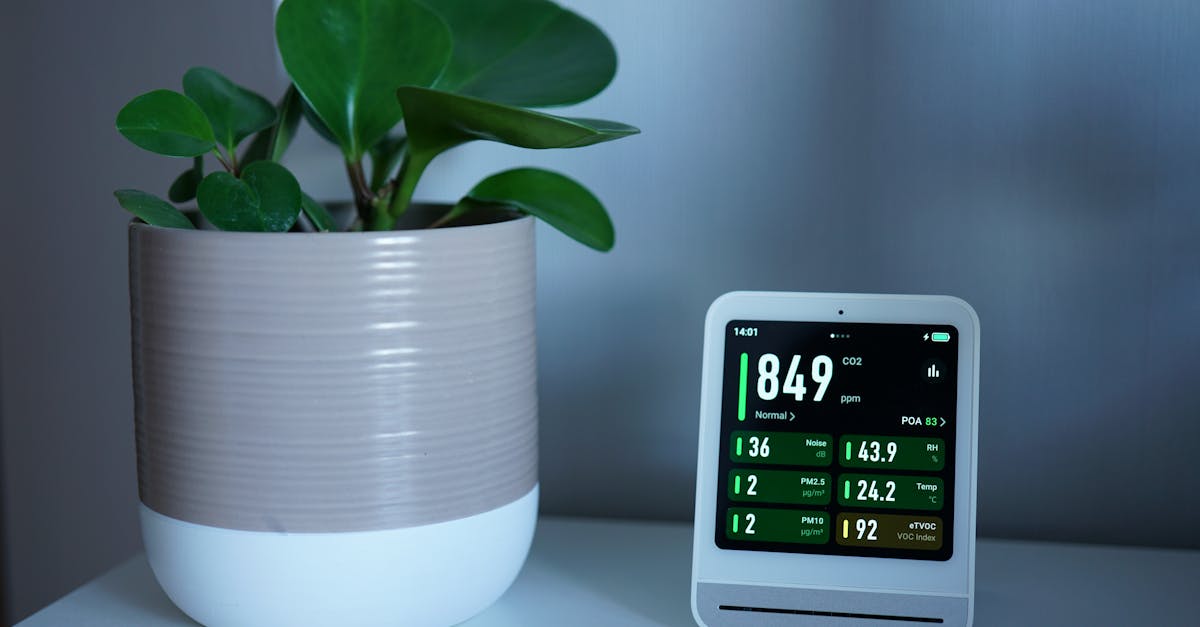
A: Visible dust, lingering odors (especially after cooking), persistent allergies, or symptoms like headaches or fatigue can indicate poor air quality. For a more scientific assessment, you can purchase an affordable air quality monitor that measures PM2.5, VOCs, and CO2. These devices provide objective data that can guide your air quality improvement efforts.
Q: How often should I change filters in a commercial air purifier vs. a DIY one?
A: Commercial air purifiers typically have filter change indicators based on usage hours or airflow sensors. For DIY units using furnace filters, you’d generally need to change them more frequently (monthly or bi-monthly) due to the fan potentially struggling to pull air, leading to faster clogging. However, since DIY units are less effective overall, the perceived need for frequent changes might not correlate with actual air quality improvement.
Q: Is there any benefit to having a noisy DIY purifier if it’s moving a lot of air?
A: A high volume of air movement doesn’t automatically equate to effective purification, especially if a significant portion of that air bypasses the filter due to poor sealing or if the filter isn’t true HEPA. While a noisy fan might feel like it’s doing something, without proper engineering, it’s often just circulating untreated air or only capturing larger particles inefficiently, leading to energy waste and noise pollution with minimal health benefit.
In the end, while the DIY spirit is commendable, the complexities of effective air purification mean that improvising often falls short. For truly clean air and the associated health benefits, a well-engineered, purpose-built solution, integrated into a broader strategy of source control and ventilation, is always the superior path.