When my sister recently told me she was replacing all the blinds in her new house, I cringed. “They’re just old and a bit worn,” she said, shrugging off my concern. “New ones will make everything look so much better!” I understood her desire for a fresh aesthetic, but as someone who’s spent years tackling home repairs and renovations with a sustainable mindset, I couldn’t help but see the massive hidden costs she was overlooking.
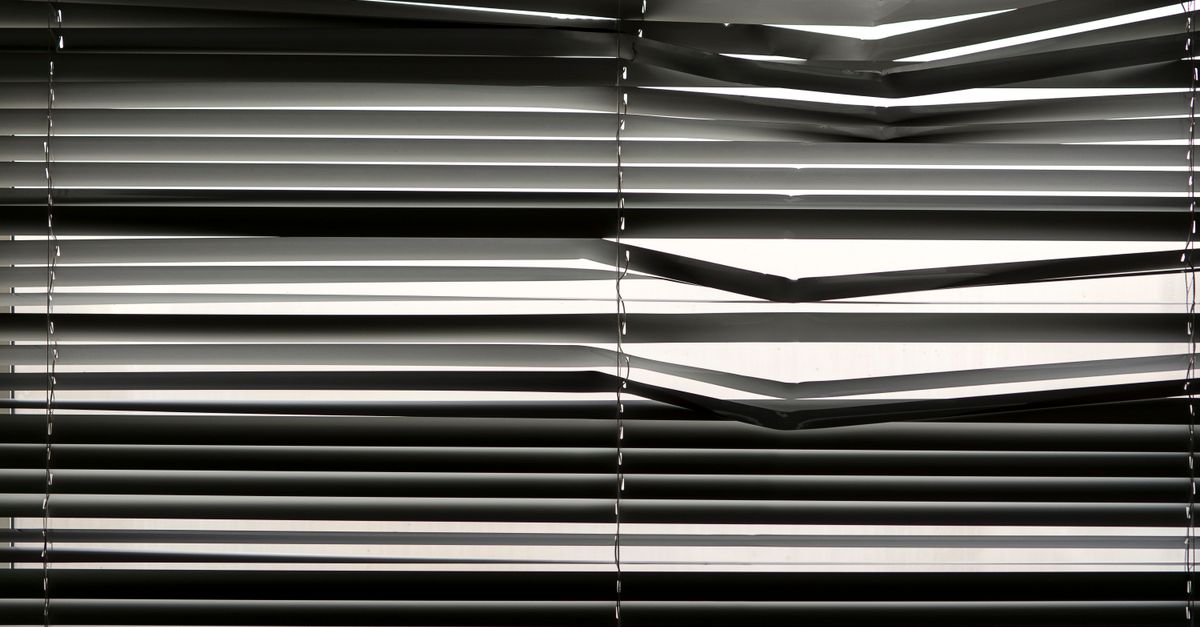
Most homeowners, myself included at one point, look at a broken slat, a frayed cord, or a faded fabric and immediately think, “Time for new ones.” It feels like the easiest, quickest solution. The home improvement stores are full of seemingly affordable options, promising a quick style upgrade. But what if I told you that this constant cycle of buying new blinds and shades is not only draining your wallet in ways you don’t expect, but also creating a significant environmental burden that nobody talks about? In my experience, the push to replace rather than repair is a costly trap.
I’ve spent countless hours in my workshop, not just building new things, but meticulously repairing and restoring items that others would toss. What I’ve learned is that with a little know-how and the right approach, many common blind and shade issues are surprisingly simple to fix. Not only does this save a significant amount of money in the long run, but it also aligns perfectly with Ecohomelabs’ mission of sustainable living. Let me walk you through why this ‘new is better’ mentality is failing us, and what actually works to extend the life of your window treatments.
Key Takeaways
- The environmental footprint of manufacturing and disposing of blinds and shades is far greater than most people realize.
- The true cost of ‘new’ extends beyond the purchase price to include installation, disposal fees, and hidden quality downgrades.
- Many common blind and shade issues are easily repairable with basic tools and readily available parts, saving money and reducing waste.
- Repairing extends product lifespan, promotes sustainable habits, and often results in a higher quality, more durable window treatment.
The Unseen Environmental Toll of Constant Replacement
When we toss out old blinds, we rarely consider where they go or what they’re made of. This is the hidden cost most people overlook. Blinds and shades are not easily recyclable. They’re often a mix of materials—PVC, aluminum, various plastics, fabrics treated with chemicals, and metal components—that are difficult and costly to separate. This means the vast majority end up in landfills, where they contribute to plastic pollution and can take hundreds of years to decompose.
The manufacturing process itself is resource-intensive. Producing PVC (vinyl) blinds, for example, involves the use of chlorine and crude oil, generating significant greenhouse gas emissions and toxic byproducts. Aluminum blinds require mining and energy-intensive processing. Even ‘eco-friendly’ bamboo or wood blinds have an impact, from deforestation concerns to the energy used in transportation and finishing. Each new purchase directly fuels this cycle of extraction, production, and waste.
In my workshop, I’ve seen firsthand how much material goes into a single set of blinds. The sheer volume of plastic, metal, and fabric waste from just one house’s worth of replacements is staggering. Imagine that scaled across millions of homes annually. Choosing to repair, even a small component, means one less item in the landfill and one less new item needing to be manufactured. It’s a small act with a significant cumulative impact that empowers you to be part of the solution, not the problem.
The Financial Illusion: Why ‘Affordable’ New Blinds Cost More
That seemingly low price tag on a new set of blinds at the big box store is just the tip of the iceberg. The true cost extends far beyond. First, there’s the cost of disposal. Many municipalities charge for bulk waste removal, or you might have to rent a skip, especially if you’re replacing multiple window treatments. Then, there’s the installation fee if you’re not doing it yourself. Custom sizes, which are often necessary for older homes or unique windows, come with a premium.
But the biggest financial drain, in my experience, is the quality compromise. To hit those attractive price points, manufacturers often cut corners. I’ve frequently seen new blinds made with thinner, less durable materials, weaker cords, and more fragile mechanisms compared to older models. What looks like a good deal initially often turns into another premature replacement project just a few years down the line. You end up in a perpetual cycle of buying cheap, replacing often, and ultimately spending more over time than if you had invested in quality and maintained what you had.
I once helped a neighbor replace a set of blinds she’d bought only three years prior. The new ones, from a popular brand, felt flimsier than the old ones she was tossing. She was surprised when I pointed out that the original blinds she replaced a decade ago had much more robust components. This observation really opened her eyes to the hidden depreciation of quality in many modern window treatments.
Common Blind & Shade Problems Are Surprisingly Simple to Fix
The mistake I see most often is people assuming a broken blind is irreparable. The reality is that many common issues are straightforward fixes, requiring minimal tools and a few inexpensive parts. You don’t need to be a seasoned DIYer to tackle these.
For horizontal blinds (mini blinds, Venetian blinds): Frayed lift cords are a common problem. You can buy replacement cord kits for less than $10. Restringing them takes a bit of patience, but it’s not complex. Broken slats? Many companies sell replacement slats, especially for higher-quality blinds. Alternatively, you can often trim a slat from an inconspicuous spot (like the very bottom or a rarely used window of the same size) and use it to replace a visible broken one.
For vertical blinds: Broken vanes are the most frequent culprit. You can often buy single replacement vanes. If the carrier (the part that holds the vane to the track) is broken, these are also widely available and simply clip into place. A full track replacement is rare; usually, it’s just a few faulty carriers.
For roller shades, Roman shades, or cellular shades: Common issues include a broken or worn-out clutch mechanism, a snapped spring (for roller shades), or frayed pull cords. Again, these mechanisms and cords are sold separately. There are countless YouTube tutorials demonstrating how to replace these components, often taking less than an an hour. Fabric repairs for small tears or fraying can sometimes be done with fabric glue or a simple patch on the backside.
What changed everything for me was realizing that these components are modular. Instead of seeing a broken blind, I started seeing a blind with a broken component. This mental shift makes the repair process far less daunting and far more empowering. It also leads to a more durable solution because you’re often replacing a weak link with a stronger, new component on an otherwise sound structure.
The Power of Prevention and Regular Maintenance
Beyond repair, preventing damage in the first place is crucial. Just like changing the oil in your car, a little routine maintenance goes a long way in extending the life of your blinds and shades.
Regular cleaning is paramount. Dust and grime can build up on cords and mechanisms, causing friction and premature wear. A quick wipe-down of slats and a gentle vacuuming of fabric shades can prevent many common issues. For cords, a slightly damp cloth can remove grit.
Gentle operation is another key. Yanking on cords or forcing blinds into position puts undue stress on delicate mechanisms. Teach everyone in your household to operate them smoothly. For corded blinds, always raise or lower them by holding the cords together and keeping them centered. For cordless blinds, use a gentle, even pressure on the bottom rail.
Inspect periodically. Every few months, take a minute to inspect your window treatments. Look for early signs of fraying cords, sticky mechanisms, or loose mounting brackets. Addressing these small issues early can prevent them from escalating into major repairs or necessitating full replacement. A bit of silicone spray on a stiff mechanism can work wonders, and tightening a screw is much easier than fixing a fallen blind.
By adopting a proactive approach, you’re not just saving money; you’re cultivating a deeper connection to your home and its components. You’re moving away from a disposable mindset and embracing true sustainability, one window at a time. This diligence will not only preserve your existing window treatments but also ensure any future ones last much longer.
Investing in Quality for Longevity: The Repairable Difference
While this article focuses on repairing existing blinds, it’s worth discussing how future purchases can align with this philosophy. When you eventually do need to buy new, prioritize quality and repairability. The upfront cost might be slightly higher, but the long-term savings in avoided replacements and repairs will far outweigh it.
Look for brands that offer replacement parts. A manufacturer that sells individual components like cords, wands, and mechanisms is a strong indicator of a product designed for longevity. This transparency means they expect their products to last and be repairable.
Choose durable materials. While vinyl is ubiquitous, consider real wood, higher-quality aluminum, or durable fabric options. These materials often hold up better to daily wear and tear and are more forgiving if they need a repair. Avoid the cheapest options; they are almost always designed for a short lifespan.
Simpler designs often mean easier repairs. Complex, highly automated systems can be fantastic, but they often come with proprietary parts and require specialized technicians for repair. Simpler, more traditional designs with common parts are generally easier for a DIYer to fix.
In my experience, thinking about repairability before you buy is a game-changer. It shifts your perspective from a temporary purchase to a long-term investment. This is the core of sustainable living: making choices that reduce waste, conserve resources, and ultimately save you money by embracing durability and thoughtful maintenance.
Frequently Asked Questions
Q1: Are old blinds actually worth repairing, or should I just buy new ones?
A1: In most cases, older, higher-quality blinds are absolutely worth repairing. They were often built with more robust materials and standard components that are easily sourced. Modern, cheaper blinds might be tempting, but their shorter lifespan and often lower quality components mean you’ll be replacing them again much sooner, ultimately costing you more over time and creating more waste.
Q2: Where can I find replacement parts for my blinds or shades?
A2: Many online retailers specialize in blind and shade replacement parts. You’ll typically need to know the brand, type of blind, and sometimes specific measurements or component names. Taking photos of the broken part can also help in identifying what you need. Local blind and shade repair shops can also be a valuable resource for hard-to-find parts or expert advice.
Q3: What are the most common DIY blind repairs I can tackle?
A3: The most common DIY repairs include restringing frayed lift cords on horizontal blinds, replacing broken vanes or carriers on vertical blinds, and swapping out worn-out clutch mechanisms or spring assemblies on roller or cellular shades. These tasks typically require basic tools like a screwdriver, needle-nose pliers, and a tape measure.
Q4: How do I know if my blinds are beyond repair?
A4: Blinds are usually beyond repair if the main structural components, such as the headrail or bottom rail, are severely damaged or warped, or if the fabric of a shade is extensively torn or deteriorated beyond patching. If proprietary parts are impossible to find, or the cost of parts and your time exceeds the cost of a high-quality replacement, it might be time to consider new ones. However, always assess the repairability before assuming the worst.
Q5: Can I upgrade old blinds instead of replacing them entirely?
A5: Absolutely! You can often give old blinds a new lease on life. For instance, you might paint wooden or faux wood blinds for a fresh look, replace outdated fabric shades with new material, or even convert corded blinds to cordless systems with conversion kits. These upgrades not only refresh your decor but also contribute to the sustainable practice of extending product life.
Conclusion: Embrace the Repair Revolution
The allure of ‘new’ is powerful, especially in home decor. But when it comes to blinds and shades, succumbing to that impulse often means falling into a hidden trap of increased environmental impact, unexpected financial drain, and a subtle but pervasive decline in product quality. My experience, and the core philosophy of Ecohomelabs, consistently points to a smarter, more sustainable path: repair, maintain, and then thoughtfully replace only when absolutely necessary.
By taking the time to understand common issues, learning simple repair techniques, and prioritizing prevention, you empower yourself to save money, reduce waste, and truly contribute to a more sustainable home. Don’t let a frayed cord or a broken slat be the end of an otherwise perfectly functional window treatment. Embrace the repair revolution, and you’ll discover the deep satisfaction of making things last, one window at a time. Start with that sticky lift cord or that broken vane today, and reclaim your power over the disposable economy.