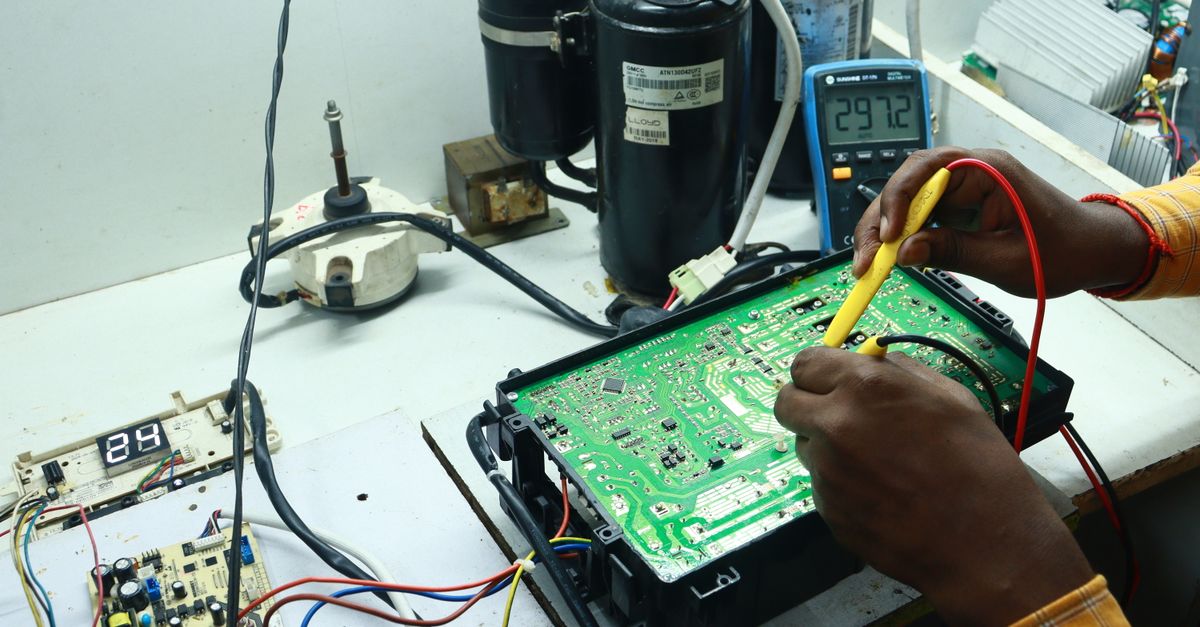
Every year, I see well-meaning homeowners eager to upgrade their functional-but-older appliances to the latest “eco-friendly” models. The marketing promises are enticing: lower energy bills, reduced carbon footprint, and sleek new designs. And indeed, many new appliances are incredibly efficient on paper. Yet, after years of analyzing energy data and working with homeowners on sustainable upgrades, I’ve come to a firm, albeit unpopular, conclusion: buying a new eco-friendly appliance is often a significant hidden cost – both to your wallet and the planet – compared to simply repairing what you already have.
The mistake I see most often is a laser focus on operating efficiency without considering the full lifecycle impact. We get caught up in the kWh saved per year, but completely overlook the embedded energy and resources in manufacturing, shipping, and disposing of the old unit. For many appliances, the energy saved over its lifetime barely offsets the environmental cost of its creation. What changed everything for me was looking at the bigger picture, and realizing that extending the life of an existing appliance through repair is almost always the more truly sustainable, and often more financially savvy, choice.
Key Takeaways
- The environmental and financial cost of manufacturing a new appliance often outweighs the energy savings of a more efficient model for many years.
- Repairing an existing, functional appliance is almost always the most eco-friendly choice due to embedded energy and resource consumption of new manufacturing.
- Appliance lifespan is a critical factor often ignored; a new efficient model with a shorter lifespan offers less overall benefit than an older, long-lasting repaired one.
- Simple, common repairs can dramatically extend appliance life, saving money and significantly reducing your carbon footprint.
The Overlooked Carbon Footprint of ‘New’ Manufacturing
When you buy a new refrigerator, washing machine, or dishwasher, you’re not just paying for the appliance itself; you’re paying for a chain of energy-intensive processes that spans the globe. This is what we call embedded energy or embodied carbon. Think about it: raw materials extraction (mining metals, drilling for plastics), refining these materials, manufacturing components, assembly, packaging, and then global shipping. Each step consumes vast amounts of energy, often derived from fossil fuels, and generates significant greenhouse gas emissions.
In my experience, the energy consumed in manufacturing a new appliance can be equivalent to several years of its operation, even for an inefficient older model. For example, some studies suggest that the production of a new refrigerator accounts for roughly 10-20% of its total lifetime energy consumption. While that might sound small, remember that’s just the manufacturing part. Add in the energy and emissions from transporting it from the factory to your home, and the picture becomes even starker. When you prematurely replace a still-functional appliance, you are effectively wiping out years of potential energy savings by incurring this massive upfront environmental cost.
This isn’t about shaming anyone for buying new; it’s about being informed. The marketing pushes us toward replacement, focusing solely on the perceived operational efficiency. But the truly eco-conscious choice often lies in resisting the urge to replace and instead embracing the longevity of what you already own. Unless your old appliance is truly on its last legs, a repair almost certainly has a lower environmental impact than a new purchase.
The Lifetime Value vs. Lifespan Disconnect
Here’s a harsh truth that appliance manufacturers don’t want you to consider: newer, more “efficient” appliances often have shorter lifespans than their older counterparts. In my work, I’ve seen countless homeowners with 15-20 year old washing machines or refrigerators that are still chugging along. The conventional wisdom was that appliances were built to last a decade, sometimes two. Today, many appliances are designed with a lifespan of 5-10 years, sometimes even less for certain categories.
This creates a critical disconnect. What good is a highly efficient appliance if it only lasts half as long as the model it replaced? You might save a few dollars on your energy bill each month, but if you have to buy a new one twice as often, those savings quickly evaporate. Moreover, the embedded energy cost is incurred more frequently. It’s a vicious cycle of consumption driven by planned obsolescence and a lack of readily available, affordable repairs.
What changed everything for me was starting to track not just energy consumption, but also the total cost of ownership (TCO), which includes purchase price, energy usage, and repair/replacement frequency. Many older appliances, even if slightly less energy-efficient, often boast superior build quality and simpler mechanics, making them more durable and easier to repair. A repaired 15-year-old refrigerator that lasts another 5 years is a far better investment, both financially and environmentally, than a brand-new, slightly more efficient one that conks out in 7.
Repairability: The True Measure of Sustainability
For years, I’ve advocated for the “right to repair” movement because it gets to the heart of true sustainability. An appliance’s repairability is arguably a more important measure of its eco-friendliness than its energy star rating alone. What good is a high-efficiency model if a single, common part fails and it’s either impossible to find a replacement, prohibitively expensive to fix, or designed in such a way that it requires specialized tools and expertise for a simple repair?
I’ve seen it countless times: a washing machine with a perfectly good motor and tub gets tossed because a small plastic gear breaks, or a dryer gets junked because of a faulty thermistor that’s buried deep inside a maze of inaccessible components. This isn’t just frustrating; it’s a massive waste of resources. The environmental benefits of slightly lower operational energy are completely overshadowed by the waste generated when a relatively minor defect leads to an entire appliance being scrapped.
Before you consider replacing an appliance, even if it’s older, investigate its repair options. Many common problems, from leaky hoses to faulty heating elements, are surprisingly straightforward fixes for a skilled technician, and often cost a fraction of a new unit. What changed everything for me was realizing that my role in sustainable living wasn’t always about buying the newest, greenest product, but about maximizing the lifespan of what I already owned. This often meant learning a few DIY repair basics or finding a trustworthy local repair shop. It’s a mindset shift from consumer to steward.
Common Appliance Repairs That Are Smarter Than Buying New
Let’s get practical. Many of the issues that lead people to consider replacing an appliance are actually quite common and relatively inexpensive to repair, especially when compared to the cost of a new unit (plus installation, disposal fees, and that hidden environmental impact).
Refrigerator Not Cooling (or Freezing Too Much): Often, this is a simple fix like a dirty condenser coil, a faulty thermostat, a broken door seal, or a clogged defrost drain. These are all common issues that a qualified technician can address for far less than the cost of a new fridge. I once helped a neighbor troubleshoot a fridge that wasn’t cooling effectively; turns out the condenser coils were caked with years of pet hair. A simple vacuuming solved the problem, saving them hundreds on a new unit and preventing unnecessary waste.
Washing Machine Leaking or Not Draining: A leaky washer could be a loose hose connection, a clogged drain pump filter, or a worn-out pump. Not draining? It’s often a clogged filter or a failing pump. These parts are usually accessible and replaceable. A new pump, for example, typically costs less than $100 for parts and a couple of hours of labor, which is a fraction of a new washer.
Dryer Not Heating or Not Tumbling: If your dryer isn’t heating, it’s frequently a faulty heating element, thermal fuse, or thermostat. Not tumbling? It’s likely a broken belt or a worn motor. All of these are standard repairs. I’ve replaced heating elements and belts on dryers that were over 10 years old, giving them many more years of service and avoiding the cost and environmental impact of premature replacement.
Dishwasher Not Cleaning Well or Leaking: Poor cleaning can stem from clogged spray arms, a faulty wash pump, or a broken detergent dispenser. Leaks often come from a worn-out door gasket or a failing inlet valve. These are routine repairs for appliance technicians. Replacing a gasket is usually a DIY job, and even a new pump motor or inlet valve will typically cost under $200-$300 total, far less than a new dishwasher.
In my experience, even if a repair costs up to 50% of the price of a new basic model, it’s often the better choice when you factor in the longevity, the lower environmental impact, and the avoidance of new appliance delivery and installation hassles. It’s about value, not just upfront price.
The True Cost of ‘Eco-Friendly’ Disposables
Beyond major appliances, this principle extends to smaller eco-friendly upgrades that often mask a similar hidden cost. I’m talking about things like ‘eco-friendly’ vacuum cleaners, blenders, or coffee makers made from recycled plastics that break down faster than their older, more robust counterparts.
Many companies are jumping on the “green” bandwagon, creating products that look eco-friendly or use some recycled content, but are designed for short lifespans or are notoriously difficult to repair. This is a form of greenwashing. You might buy a new eco-friendly blender thinking you’re doing good, only to find its motor burns out in two years, and you’re back in the market for another one. This constant cycle of consumption, even for seemingly “green” products, is detrimental.
What changed everything for me was prioritizing durability and repairability over initial claims of “eco-friendliness” in product marketing. An old, heavy-duty stand mixer from decades ago, still working perfectly, is infinitely more eco-friendly than a new plastic model that needs replacing every few years, regardless of its material composition. Our focus should be on reducing consumption first, and then making consumption choices that favor longevity and repair.
Rethinking Your Appliance Strategy
My advice for any homeowner contemplating a new appliance purchase is to pause and consider a different strategy:
- Assess the problem honestly: Is your appliance truly dead, or is it experiencing a common, repairable issue?
- Get a repair quote: Before even looking at new models, get a quote from a reputable local appliance repair technician. Be specific about the issue. Ask about the lifespan of the repair and the remaining expected life of the appliance.
- Research repairability: For any future purchases, research the brand and model’s reputation for durability and repairability. Look for brands that offer parts, provide service manuals, and have a good track record with customer service for repairs.
- Consider refurbished: If replacement is truly necessary, consider a high-quality refurbished appliance. These units have often had critical components replaced and come with warranties, offering a more sustainable and budget-friendly alternative to brand new.
- Embrace maintenance: Preventative maintenance, like cleaning condenser coils or washing machine filters, can significantly extend the life of your existing appliances, pushing off replacement decisions even further.
What changed everything for me was understanding that the most impactful sustainable actions aren’t always glamorous or exciting. They are often the quiet, consistent choices to mend, maintain, and make things last. Repairing your current appliances might not give you the shiny new gadget, but it’s a powerful statement against throwaway culture and a genuinely smarter choice for your budget and the planet.
Frequently Asked Questions
Q: Isn’t a new Energy Star appliance always better for the environment than an old one?
A: Not necessarily. While new Energy Star appliances are more efficient in their operation, the environmental cost of manufacturing and transporting a new appliance (its embedded energy) is substantial. If your old appliance is still functional, repairing it often has a lower overall environmental impact than replacing it, as the energy savings of a new unit may take many years to offset its production footprint.
Q: How do I know if my appliance is worth repairing?
A: As a general rule, if the repair cost is less than 50% of the cost of a new, comparable appliance, and the appliance is less than 10 years old (for major appliances), it’s often worth repairing. Consider the expected lifespan of the repair and the appliance’s overall condition. For very old, well-built appliances, even a higher repair cost can be justified given their potential for many more years of service.
Q: Where can I find a trustworthy appliance repair technician?
A: Start by asking friends and family for recommendations. Online reviews on local platforms (like Google Maps or Yelp) can also be helpful. Look for technicians with good ratings, clear pricing, and a willingness to explain the repair process and potential costs upfront. Prioritize local, independent repair shops that often have more experience with a wider range of brands and older models.
Q: What are some simple DIY maintenance tips to extend appliance life?
A: For refrigerators, regularly clean the condenser coils. For washing machines, clean the dispenser drawer, the filter (if accessible), and run a cleaning cycle with vinegar or a special cleaner monthly. For dryers, clean the lint filter after every load and occasionally vacuum out the lint trap. For dishwashers, clean the filter and regularly run a cleaning cycle. These simple steps can prevent common issues and significantly prolong lifespan.
Q: If I must replace an appliance, how can I make the most eco-friendly choice?
A: If repair isn’t feasible, consider a high-quality refurbished appliance with a warranty. If buying new, research models known for durability and repairability, not just energy efficiency. Look for brands that offer readily available spare parts and repair manuals. And always ensure your old appliance is properly recycled to minimize its environmental impact.