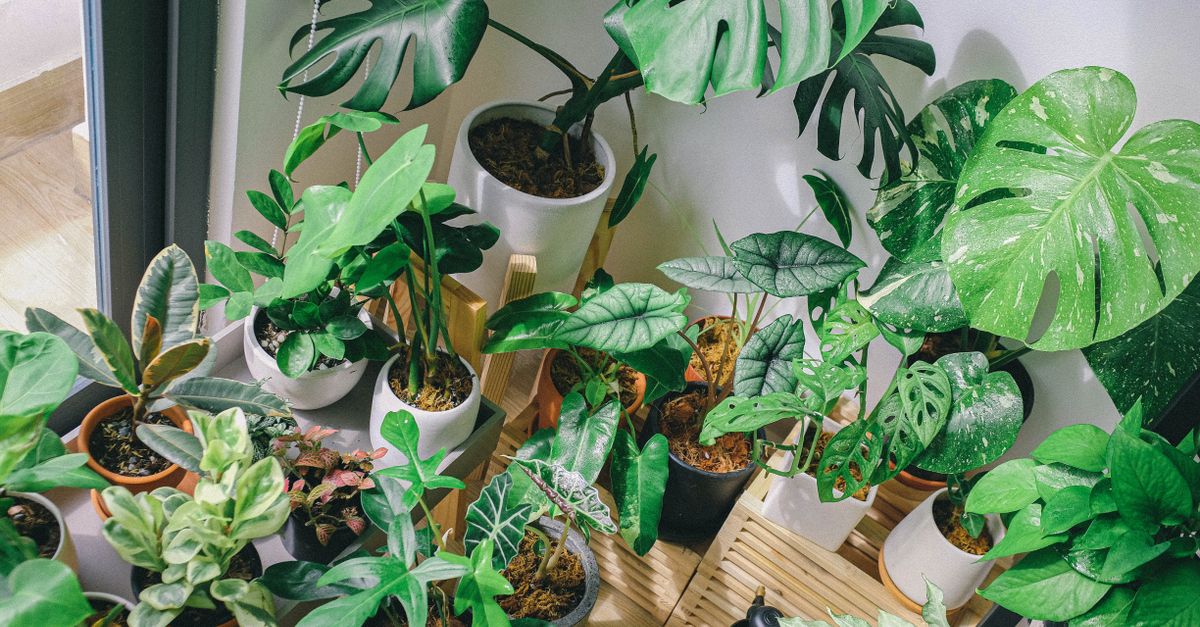
For years, I was that person. Every trip to the home goods store or even the grocery store ended with another charming little plant tucked into my cart. A new succulent here, a trendy fiddle-leaf fig there, a peace lily because it promised to purify the air. My home, I thought, was slowly transforming into the lush, serene indoor jungle I saw all over Instagram. What I didn’t realize until much later was that my plant obsession wasn’t just filling my shelves; it was quietly draining my wallet, stealing my precious time, and, ironically, often leading to more stress than serenity.
The mistake I see most often, and one I made myself for far too long, is viewing houseplants as singular, isolated purchases. We focus on the initial cost of the plant itself, perhaps a pretty pot, and then assume the expenses stop there. The reality, in my experience, is far more complex and costly. It’s not just about the upfront investment; it’s about the cumulative, often unacknowledged, financial and time commitment that quickly escalates when you consistently bring new life into your home without a clear strategy. This isn’t just about a few sad, yellowing leaves; it’s about the hidden ecosystem of recurring costs and unforeseen demands that can turn a joyful hobby into a surprising burden.
Key Takeaways
- The true cost of houseplants extends far beyond the initial purchase, encompassing recurring expenses for specialized soil, fertilizers, pest control, and replacement plants.
- Over-collecting leads to significant time drains for watering, pruning, repotting, and managing common plant ailments, eroding the joy of the hobby.
- Neglecting proper plant selection and care inevitably results in wasted money on dead or struggling plants that need frequent replacement.
- Strategic planning, including understanding specific plant needs and investing in quality care essentials upfront, prevents much of the hidden financial and time burden.
The Cumulative Cash Drain: Why Your Plant Collection Is Costing More Than You Think
When I first started accumulating plants, I diligently tracked the cost of each plant and its initial pot. A lovely, affordable hobby, I thought. My mental ledger showed perhaps a couple hundred dollars spread over a year. What I completely overlooked, however, was the constant drip-drip-drip of ancillary expenses that never seemed to end. It’s the equivalent of buying a car and only counting the purchase price, forgetting about gas, insurance, and maintenance. For plants, this quickly adds up.
Let’s break down some of these often-ignored costs. First, specialized soil and amendments. You can’t just use garden soil for indoor plants. My aroids needed chunky, aerated mixes; my succulents demanded fast-draining gritty blends. A large bag of quality potting mix, perlite, orchid bark, coco coir, or vermiculite can run $10-$20 a pop. And you need a lot more of it than you think, especially when you’re repotting several plants annually. Then there’s fertilizer. Different plants have different needs, so you end up with a general houseplant fertilizer, perhaps a specific orchid food, and maybe even a succulent booster. Each bottle is $8-$15. Next, pest control. Mealybugs, spider mites, fungus gnats—these uninvited guests are an almost inevitable part of indoor plant ownership, especially when new plants are constantly introduced. Insecticidal soap, neem oil, sticky traps, systemic granules… these aren’t one-time purchases. They’re ongoing defenses, often costing $5-$20 per product, and you’ll likely need several kinds. Finally, tools and accessories. Pruning shears ($15-$30), watering cans (I ended up with two or three of different sizes, another $20-$40), moisture meters ($10-$25), humidifiers (a big one for $50-$100+), grow lights ($20-$50 per bulb/fixture), propagation stations ($15-$30), and decorative pebbles or top dressings ($5-$15 per bag). Before I knew it, I was easily spending an extra $50-$100 every month on supplies, not plants themselves. My “affordable hobby” had become a significant line item in my budget, rivaling some of my subscriptions. The mistake was not seeing these as essential, recurring costs, but rather as one-off incidentals.
The Time Sink: How Your Indoor Jungle Devours Your Weekends
I pictured myself leisurely misting my plants, enjoying a moment of zen. The reality, especially when my collection grew past 30, then 50, then 70 plants, was anything but relaxing. My Saturdays transformed from potential adventures into multi-hour plant care marathons. The single biggest time drain for me was watering. It’s not just a quick pour. Each plant has its own unique watering schedule and preferences. Some need a thorough drench, others prefer a lighter touch. Some hate tap water and need filtered or distilled. Then there’s the process of checking each plant’s soil, feeling the weight of the pot, deciding if it’s time. If you have a large collection, this can take a dedicated hour or two just to get through all of them, every single week or bi-weekly.
Beyond watering, there’s pruning and cleaning. Dust accumulates on leaves, blocking light and hindering photosynthesis. Each leaf needs to be wiped down. Dead or yellowing leaves need to be removed. Then there’s repotting. As plants grow, they need bigger homes. This is a messy, time-consuming job that involves mixing soil, carefully extracting the plant, assessing roots, and tidying up. When you have dozens of plants, you’re essentially repotting a few every month. And of course, pest management. Discovering a pest infestation on one plant means isolating it, treating it, and then meticulously checking all nearby plants, often repeatedly. In my experience, a bad spider mite outbreak on a prized fern can easily consume several hours a week for a month or more, between treatments and vigilant inspection. What started as a few minutes of joy became hours of chore, making me dread the weekend “plant shift.” The mental load alone—remembering each plant’s specific needs, monitoring for issues—is exhausting.
The Replacement Trap: Why You Keep Buying the Same Plants Over and Over
Here’s a confession: I’ve bought the same type of plant multiple times. Not because I loved it so much I wanted another one, but because the previous one died. This is the replacement trap, and it’s a direct consequence of a lack of strategic planning and fundamental understanding of plant care.
The mistake I consistently made was impulse buying. I’d see a beautiful plant, be drawn in by its aesthetics, and bring it home without doing any research on its specific light, water, and humidity requirements. I’d jam it into a spot that looked good, rather than one that was good for the plant. The result? A slow, agonizing decline for the plant, and wasted money for me. I spent so much money replacing plants that simply weren’t suited for my home’s conditions or my level of experience. For instance, I repeatedly failed with high-humidity loving plants in my dry apartment, or light-intensive plants in my north-facing rooms. Each death was not just a loss of a living thing but also a $15-$40 cost that was effectively thrown away. When you multiply that by five or ten plants a year, the cost quickly becomes significant.
What changed everything for me was shifting my mindset from “I want that plant” to “Can I actually provide the right environment for that plant?” I started researching a plant’s needs before buying it, checking my light levels, humidity, and my willingness to commit to its specific care. This simple shift drastically reduced plant fatalities and, consequently, the need for costly replacements. It’s better to have five thriving plants that you understand and can care for than 50 struggling ones that constantly need replacing.
Cultivating a Thriving Indoor Jungle (Responsibly): What Actually Works
Moving away from the hidden costs and time drains means adopting a more intentional, responsible approach to plant ownership. What I learned, through much trial and error (and dead plants), is that quality over quantity is paramount.
Understand Your Environment First, Then Buy Plants: Before you buy another plant, assess your home. How much natural light do you actually have in different rooms? Is your home generally dry or humid? What’s your typical indoor temperature? Use a light meter (even a free app can give you a rough idea) to understand lux levels. Research plants that thrive in those conditions, not just ones you like the look of. For example, if you have low light, embrace ZZ plants, snake plants, or Pothos. Don’t try to force a Fiddle-Leaf Fig to survive there. This single step eliminates probably 80% of plant failures.
Invest in Quality, Essential Supplies Upfront: Instead of buying cheap, generic potting mix, invest in a couple of bags of high-quality, specialized soil components (like an aroid mix, succulent mix, or coco coir and perlite to blend your own). Purchase a good pair of sharp pruning shears. Get a reliable watering can and, if needed, a small humidifier. These items are investments that will last and genuinely support your plants, reducing the need for constant, costly replacements of substandard products. Similarly, choose non-porous pots when possible, as they retain moisture better and reduce watering frequency.
Learn Basic Plant Diagnostics: Don’t wait for your plant to be on its last leg. Learn to recognize the early signs of common issues: yellowing leaves (often overwatering or nutrient deficiency), brown crispy tips (underwatering or low humidity), sticky residue (pests), or stunted growth. A quick Google search of ”[plant name] yellow leaves” can often provide immediate, actionable advice. Being proactive with care and pest management saves plants and money in the long run.
Prioritize Your Time and Energy: Be realistic about how much time you actually have for plant care each week. If you’re swamped, choose low-maintenance plants. If you enjoy the hands-on aspect, consider a slightly larger collection. But set a hard limit. For me, I decided that 20-30 thriving plants was my sweet spot for enjoyment without feeling overwhelmed. If a new plant comes in, an old one (that I no longer love or that isn’t thriving) goes out. This keeps the collection manageable and prevents the time drain from escalating uncontrollably.
By being intentional and understanding the true cost and commitment of each plant, you can create a truly thriving indoor oasis without the hidden financial and time burdens that so many plant enthusiasts, myself included, fall prey to.
Frequently Asked Questions
How often should I repot my houseplants?
Most houseplants need repotting every 1-2 years, or when they become root-bound (roots are circling the pot and growing out of drainage holes). Younger, faster-growing plants may need it annually, while slow-growers might go 3-4 years. Always repot into a pot only one size larger (e.g., from a 6-inch to an 8-inch pot) to avoid overwatering issues.
What are the most common reasons houseplants die?
In my experience, the vast majority of houseplant deaths are due to improper watering (either overwatering leading to root rot, or underwatering leading to desiccation) and inadequate light. Other common causes include pest infestations, nutrient deficiencies, or unsuitable temperature/humidity levels for the specific plant species.
Can I use regular garden soil for my indoor plants?
No, absolutely not. Garden soil is too dense, heavy, and can contain pests, weed seeds, and diseases that are unsuitable for indoor environments. It compacts easily, restricting air circulation to roots and leading to root rot. Always use a high-quality, sterile potting mix specifically formulated for houseplants, or create your own blend with components like coco coir, perlite, and bark.
How can I tell if my plant is getting enough light?
Look for common signs: leggy growth (long stems with sparse leaves), smaller new leaves, faded leaf color, or a complete halt in growth often indicate insufficient light. Conversely, scorched leaves or bleached spots can signal too much direct sunlight. Research your specific plant’s light needs and observe its growth pattern.
Is it okay to use tap water for my plants?
It depends on your tap water. Many plants are sensitive to chlorine, chloramine, or high levels of minerals (hard water). If your tap water is heavily treated or very hard, you might notice issues over time. Letting tap water sit out for 24 hours can help dissipate chlorine. Alternatively, use filtered water, distilled water, or collected rainwater, especially for sensitive plants like calatheas, ferns, and carnivorous plants.
Bringing life into your home through plants should be a joy, not a drain on your resources or your time. By understanding the true, often hidden, costs involved and adopting a more strategic, informed approach to plant care, you can cultivate a truly thriving indoor jungle that enriches your life without unexpectedly emptying your wallet or overwhelming your schedule. Start small, learn well, and let your green thumb grow with intention.