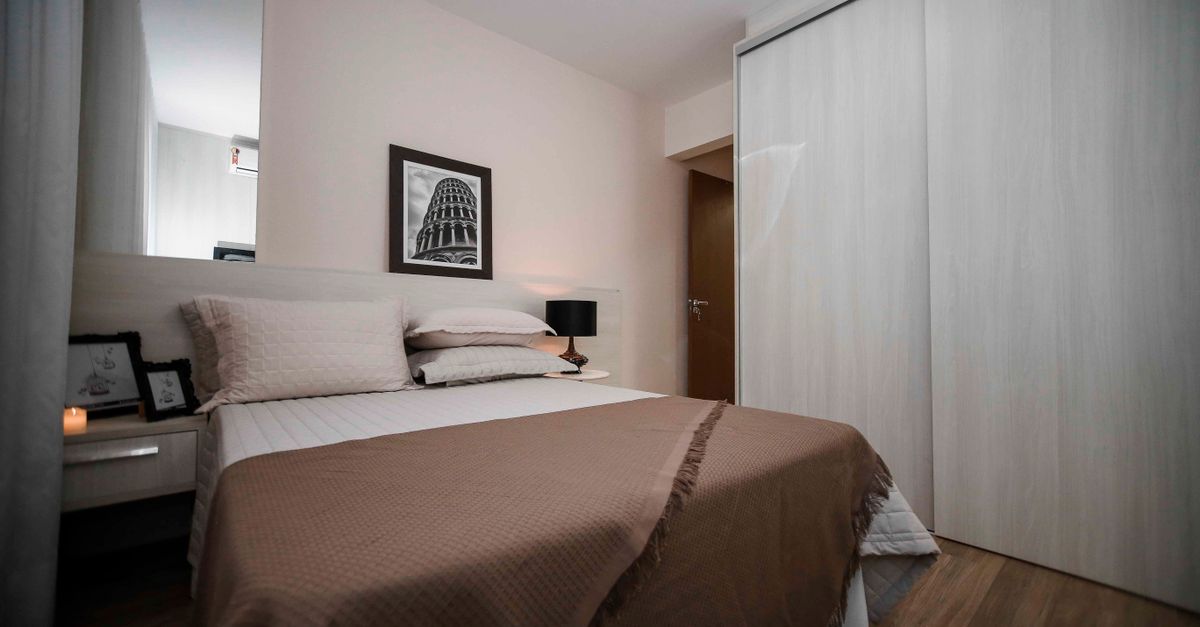
When I first started decorating my own home, I fell hard for the siren song of ‘matchy-matchy’ decor. You know the look: sofa and loveseat from the same collection, perfectly coordinated throw pillows, a coffee table and end tables that were clearly siblings, if not identical twins. It felt safe, easy, and, in my naive mind, sophisticated. I envisioned a perfectly harmonious space, just like the catalog spreads.
What I got instead was a home that felt utterly devoid of personality, surprisingly sterile, and, eventually, far more expensive than it needed to be. Every time I walked into my living room, it was like stepping into a furniture showroom, not a reflection of my life or travels. It lacked soul, and that, I discovered, was the true hidden cost no one talks about. This isn’t just about aesthetics; it’s about creating a space that genuinely feels like yours—a sanctuary that tells your story, not a furniture store’s.
Key Takeaways
- Perfectly matched furniture sets often result in a sterile, impersonal home that lacks unique character.
- The hidden cost extends beyond the initial purchase, leading to faster decor fatigue and a tendency to replace entire sets.
- Mixing styles, textures, and eras creates visual depth and a sense of history, making a room feel genuinely curated.
- Focus on a cohesive color palette and balance in scale rather than strict matching for a more inviting and dynamic space.
The Illusion of Effortless Cohesion (And Why It Backfires)
I remember the day I bought my first ‘matching set.’ It was a sofa, a loveseat, and an armchair, all upholstered in the same beige fabric, with dark wood legs that matched a coffee table and two end tables. The salesperson assured me it was the easiest way to achieve a ‘designer look.’ And for a moment, it was. Everything fit, everything coordinated, and there was no decision paralysis. It felt like I had cracked the code to adult home decor.
But the problem is, genuine cohesion in design isn’t about identical pieces; it’s about harmony. It’s the subtle interplay of elements that relate to each other without being clones. When every piece screams ‘I came from the same showroom floor at the same time,’ you lose the opportunity for visual interest, contrast, and, most importantly, personal expression. In my experience, the more ‘perfectly matched’ a room was, the less I actually felt at home in it.
Think about it: the most inspiring spaces you’ve seen, whether in magazines or real life, rarely feature entire sets. They blend pieces acquired over time, items with different stories, and elements that contribute to a collective narrative. My perfectly matched living room felt like a stage set—a nice one, but still a set. It lacked the nuanced imperfections and surprises that make a space truly feel lived-in and loved. It backfired because it removed the very thing that makes a home engaging: its unique voice.
The Accelerated Cycle of Decor Fatigue
One of the most insidious hidden costs of matchy-matchy decor is the accelerated cycle of decor fatigue. Because everything arrived at once, from the same aesthetic mold, the entire room felt dated at the same pace. There was no evolving collection of pieces, no opportunity to swap out one item to refresh the entire look. If I wanted a change, it felt like I had to replace everything.
Within two years, that beige sofa set, which felt so chic initially, started to bore me to tears. The fabric still looked good, the structure was sound, but the look felt stagnant. Had I invested in a single, well-chosen sofa and then slowly added a vintage armchair, a reclaimed wood coffee table, and pillows with varying textures and patterns, I could have refreshed the room with just a few new items. Instead, the monolithic nature of the matching set meant that if one piece felt tired, the whole room felt tired.
This led to a feeling of being trapped by my own purchases, and the temptation to ditch the entire setup for a completely new, equally matched (and equally fleeting) trend. This cycle isn’t just financially draining; it’s creatively stifling. It prevents you from developing an eye for curation, from understanding how individual pieces contribute to a larger whole, and from truly appreciating the art of layering and juxtaposition in design.
Missing the Opportunity for Curated Storytelling
Perhaps the greatest cost I paid was losing the chance to tell my story. A home should be a reflection of the people living in it – their travels, their passions, their heirlooms, their quirks. My matchy-matchy living room told the story of a furniture catalog, not of me.
I vividly recall walking into a friend’s apartment shortly after setting up my beige showroom. Her living room had a worn leather sofa, a vibrant rug she’d found on a trip to Morocco, a mid-century modern armchair, and a wooden chest that had been her grandmother’s serving as a coffee table. Each piece had a history, a personality, and together they wove a rich narrative. Her space felt warm, inviting, and deeply personal. Mine, by contrast, felt generic.
This experience was a wake-up call. I realized that a home isn’t built in a single shopping trip; it’s grown over time. It’s about collecting pieces that resonate with you, whether they’re new, antique, handmade, or found. It’s about mixing a contemporary lamp with a vintage side table, or pairing a sleek minimalist sofa with a plush, patterned throw. These juxtapositions create depth, character, and a sense of history that mass-produced, coordinated sets simply cannot replicate. It’s the difference between a meticulously arranged still life and a vibrant, flowing landscape.
How I Broke Free: Embracing the Eclectic (But Cohesive) Mix
Breaking free from the matchy-matchy mindset wasn’t an overnight transformation, especially since I was already invested in my beige prison. But I started small, and what changed everything for me was embracing the idea of intentional contrast and thoughtful curation.
Here’s how I gradually shifted my approach:
Start with One Anchor Piece: Instead of buying a whole set, I learned to identify one substantial, high-quality piece that I truly loved and that fit my lifestyle—often a sofa. This becomes the foundation. For example, when I eventually replaced my beige set, I found a beautiful, deep-seated sectional in a versatile charcoal gray. It was modern but classic, a strong base that didn’t demand matching.
Mix, Don’t Match, Seating: Once I had my anchor sofa, I consciously sought out accent chairs that offered a different silhouette, material, or color. Instead of a second sofa or loveseat, I found a sleek, retro-inspired armchair in a rich emerald green velvet, and a more rustic, wooden-framed chair with linen cushions. They offered varied seating experiences and, crucially, distinct visual interest, preventing the room from feeling monolithic. The key here is not clashing, but complementing.
Vary the Scale and Material of Tables: I swore off matching coffee and end table sets. My current living room pairs a large, circular coffee table with a marble top and a slim, industrial-style metal end table. On the other side of the sofa, a vintage wooden trunk serves as a secondary end table, adding texture and history. The varied heights, shapes, and materials break up the visual plane and create dynamic energy.
Layer Textures and Patterns with Purpose: The fastest way to add personality and banish sterility is through textiles. I focused on throws and pillows in different fabrics (chunky knits, smooth linen, patterned cotton) and varying scales of patterns. A geometric throw next to a floral pillow, for instance, adds immediate depth. The unifying factor became a consistent, yet flexible, color palette that allowed the different elements to play nicely together.
Inject Personal Touches (Authentically): This is where true storytelling comes in. Instead of mass-produced art prints, I started displaying art from local artists, travel souvenirs, and family photos in mismatched frames. A collection of vintage books, a ceramic bowl from a pottery fair, and even a unique plant stand became focal points, each contributing a piece of my story. These items are inherently unique and prevent a room from looking like it just stepped off the pages of a generic catalog. It’s about being deliberate with what you bring into your space, ensuring it holds meaning or sparks joy, rather than just filling a void.
By intentionally moving away from the ‘matchy-matchy’ trap, my home finally started to feel like a reflection of who I am, not just a collection of mass-market items. It gained character, warmth, and an evolving story that continues to unfold with every new piece I bring in.