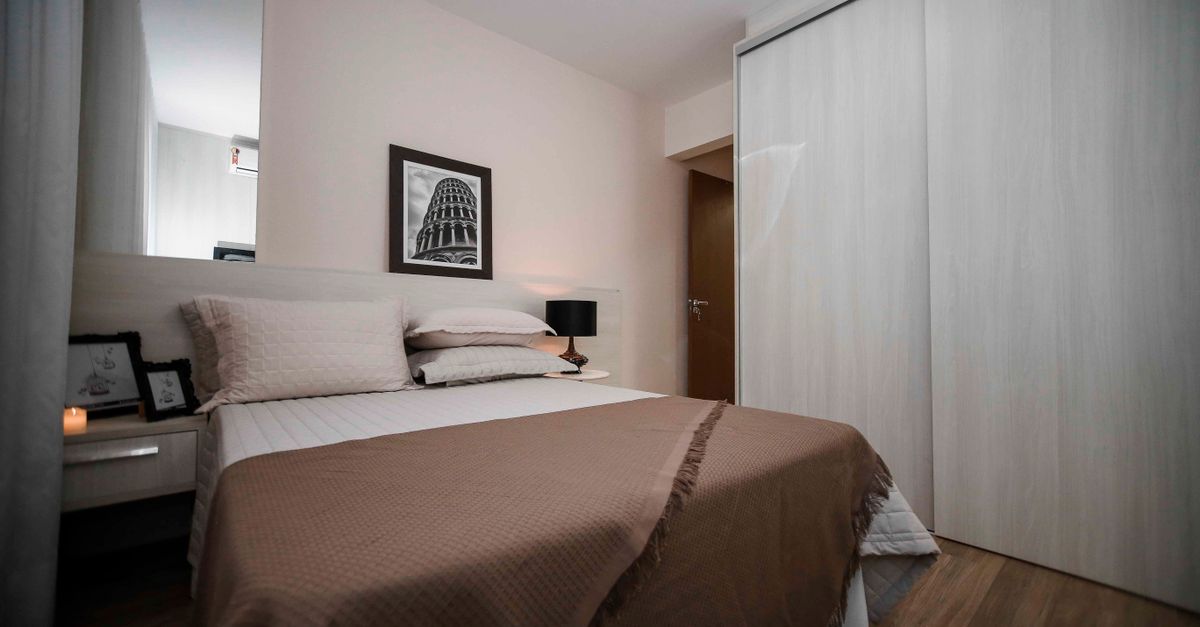
You’ve finally gotten around to hanging those frames. You picked out a beautiful print, found the perfect spot above your bed, and meticulously leveled it. You stand back, admiring your effort, only to feel… a little underwhelmed. Your bedroom walls still feel a bit empty, a touch cold, and definitely not the cozy, finished sanctuary you envisioned. I’ve been there countless times in my own home and with clients. The mistake I see most often is relying solely on individual pieces of art to fill a large expanse. It’s like trying to fill a swimming pool with a teacup – each piece is lovely, but the overall impact is minimal when not supported by a broader design strategy. What changed everything for me was realizing that wall decor isn’t just about what you hang, but how you layer, texture, and strategically place elements to create depth and warmth. You can transform your bedroom walls from sterile to serene without a single new art purchase, simply by rethinking your approach.
Key Takeaways
- Individual art pieces often fail to fill large wall expanses, leaving bedrooms feeling empty; instead, focus on layered design.
- Introduce architectural interest with elements like picture rails, wainscoting, or strategically placed mirrors to add depth without new art.
- Utilize textiles such as tapestries, upholstered headboards, or fabric wall hangings to bring warmth and softness to walls.
- Incorporate functional storage like floating shelves or wall-mounted cabinets to add dimension and display personal items, enhancing coziness.
The Illusion of ‘Enough’ Art: Why Single Pieces Fall Short
In my experience, the biggest misconception people have about decorating walls is that simply putting something on them is enough. We buy a beautiful framed print, maybe even a set of three, and assume our job is done. But a single piece of art, no matter how large, rarely holds its own against a sprawling, bare wall, especially in a bedroom where coziness is paramount. Think about it: a standard queen-size bed wall can be 10 to 12 feet wide. A 24x36 inch print, while substantial, occupies less than 10 square feet of that. The remaining 90+ square feet of wall space still screams ‘empty.’
The hidden cost here isn’t just aesthetic; it’s psychological. An empty wall can feel vast and unfinished, subtly contributing to a less restful or inspiring environment. It’s not just about what you see, but what you feel. What changed everything for me was realizing that wall decor needs to be considered in relation to the entire wall’s surface area, not just the object it hangs above. Instead of one large piece, consider a gallery wall that commands attention, or better yet, integrate architectural elements and textures that add inherent interest to the wall itself, long before any art enters the picture. The goal is to build up the wall, creating a sense of intentionality and completeness that individual art pieces can’t achieve on their own.
Strategic Architectural Enhancements That Add Instant Depth
One of the most effective, yet often overlooked, ways to banish empty-wall syndrome is to introduce architectural interest. Many people assume this means costly renovations, but it doesn’t have to. These elements provide structure and character, giving your walls a finished look that art then enhances, rather than desperately tries to create. For instance, consider adding a simple picture rail about a foot below the ceiling line. This immediately breaks up the vertical expanse of a wall and gives you a designated space to hang art from, rather than just on. It adds a subtle, classic detail that draws the eye upward.
Another powerful technique is to introduce wainscoting or wall paneling. This doesn’t require tearing down walls. Even simple DIY paneling using MDF boards can create a dramatic difference, adding texture and dimension to the lower third or half of your wall. Paint the wainscoting and the wall above in complementary shades (or even the same shade for a subtle effect), and suddenly your walls have a story. I once transformed a client’s bland bedroom by adding vertical shiplap to the main wall behind their bed, painting it a deep sage green. The wall instantly felt rich and intentional, even before we hung a single piece of art. The shiplap itself became the ‘decor,’ providing visual weight and texture that a flat painted wall could never achieve. Mirrors, especially oversized ones or those with ornate frames, also act as architectural elements, reflecting light and making a room feel larger, all while commanding significant wall space without being ‘art’ in the traditional sense.
Embrace Softness: The Power of Textiles on Your Walls
If you’re aiming for a cozy sanctuary, nothing beats the warmth and texture of textiles. Many homes overlook the immense potential fabric holds for wall decor, often sticking to flat paint and rigid frames. But a bedroom thrives on softness, and bringing textiles onto your walls is a game-changer. Think beyond the traditional framed print. An upholstered headboard, especially one that extends wider than the bed itself or reaches high towards the ceiling, instantly adds significant visual weight and texture to the main wall. It becomes the focal point, naturally drawing the eye and providing a plush backdrop.
For larger empty walls, consider a tapestry or a large fabric wall hanging. These pieces offer immense scale without the hefty price tag of oversized framed art. They absorb sound, adding to the cozy ambiance, and introduce patterns and colors in a soft, non-reflective way. I’ve used hand-woven blankets, intricately patterned scarves, or even repurposed fabric from old curtains to create unique wall features. Simply hang them from a decorative rod or use discreet Command hooks to secure them. The key here is the drape, the texture, and the way light plays on the fabric, creating a depth that flat surfaces simply can’t. It softens the entire room, making it feel more inviting and less sterile than relying on rigid frames.
Functional Decor: Floating Shelves and Wall-Mounted Storage
Empty walls often scream for functionality as much as aesthetics. Rather than just hanging another picture, integrate elements that serve a purpose while also adding decorative value. Floating shelves are my absolute go-to for this. They break up vertical space, offer an opportunity to display cherished objects, and create layered interest that draws the eye in. Instead of thinking of them purely for storage, consider them mini-display cases.
On these shelves, you can place small potted plants, a curated collection of books, decorative boxes, small framed photos, or sentimental trinkets. The beauty is in the arrangement and the personal touch. A well-styled floating shelf or a set of staggered shelves adds dimension, depth, and a narrative to your wall. Similarly, wall-mounted cabinets or small cubbies can serve a dual purpose, offering discreet storage for items like remote controls, nighttime essentials, or even charging stations, while also creating a distinct visual block that alleviates emptiness. The trick is to choose pieces that align with your bedroom’s aesthetic, ensuring they enhance rather than overwhelm. This approach not only fills the wall but makes it an active, living part of your room.
The Power of Lighting: Creating Ambiance and Highlighting Features
Often, an empty-feeling wall isn’t just about what’s missing, but what isn’t being highlighted. Strategic lighting can dramatically change how a wall feels, adding depth, warmth, and a sense of completeness without adding a single physical object. Many bedrooms rely solely on overhead lighting or bedside lamps, leaving the walls in shadow and feeling flat. The mistake I see most often is neglecting the power of ambient and accent lighting.
Consider adding wall-mounted sconces on either side of your bed, or even a single decorative sconce on a particularly empty stretch of wall. These fixtures serve as both decor and light sources, creating beautiful pools of light that wash the wall and add a soft glow to the room. If hardwiring isn’t an option, battery-operated sconces or plug-in options are widely available and look just as chic. Another game-changer is picture lights mounted above existing art or even above a cherished mirror. These aren’t just for galleries; in a home, they add a touch of sophistication and draw attention to your chosen focal points, making them feel more intentional and significant. Even strategically placed floor lamps with upward-facing shades can cast a soft glow on a large wall, creating an inviting backdrop. The right lighting sculpts the space, making your walls feel integrated and purposeful, rather than just large, blank canvases.
Curated Collections: Telling Your Story with Intentional Groupings
Finally, to truly banish empty walls, shift your mindset from filling space to telling a story. Instead of scattering individual pieces randomly, think in terms of curated collections. This doesn’t mean buying more, but rather thoughtfully arranging what you already own or can easily source.
One of my favorite techniques is creating a gallery wall that extends beyond just art prints. Combine framed photos (both personal and inspirational), small mirrors, decorative plates, unique wall hangings, and even small, lightweight shelves holding tiny trinkets. The key is to vary sizes, shapes, and textures, while maintaining a cohesive color palette or theme. This creates a rich, layered look that feels deeply personal and intentional. Another approach is to create a vertical display using a tall, narrow ladder shelf or a series of hooks. Here, you can hang items like hats, small bags, scarves, or even dried floral arrangements. This utilizes vertical space creatively and adds a dynamic, three-dimensional element to the wall. The beauty of curated collections is their flexibility; they can evolve with your taste and life, ensuring your bedroom walls always feel fresh, meaningful, and anything but empty. It’s about building a visual narrative that reflects you and enhances the room’s character.
Frequently Asked Questions
Q: My bedroom is small. Won’t adding more to the walls make it feel even more cluttered?
A: Not if done strategically! In small bedrooms, it’s about adding depth and purpose to the walls, not just filling them. Instead of many small items, consider one large, impactful piece like an oversized mirror or a tall, narrow floating shelf unit. Using vertical space with floor-to-ceiling curtains or tall, slender wall art can draw the eye upward, making the room feel taller. Architectural elements like wainscoting painted in a lighter shade than the top can also add interest without visual bulk. The goal is intentionality over accumulation.
Q: I’m on a tight budget. How can I implement these ideas without spending a lot?
A: Many solutions are budget-friendly. For architectural interest, look for peel-and-stick wainscoting panels or create faux paneling with inexpensive trim pieces and paint. For textiles, repurpose old scarves, blankets, or fabric scraps into wall hangings. You can even stretch fabric over inexpensive canvas frames for instant art. Floating shelves can be found cheaply or DIYed from reclaimed wood. For lighting, consider plug-in sconces instead of hardwired, or use battery-operated picture lights. Get creative with what you already own for curated collections, like grouping existing photos or small decorative items.
Q: I have a textured wall. Can I still hang art and add these elements?
A: Absolutely! Textured walls often provide a fantastic built-in backdrop. For art, ensure you use appropriate hanging hardware for the wall type (e.g., specific anchors for plaster or drywall). Large tapestries or fabric hangings can look stunning against a textured wall, adding another layer of visual interest. Floating shelves can still be installed, but you might need longer screws or specialized anchors to ensure stability. Always test a small area for peel-and-stick elements like wainscoting to ensure good adhesion on textured surfaces.
Q: What’s the best way to arrange a gallery wall to avoid it looking messy?
A: The key to a cohesive gallery wall is planning. First, choose a theme or color palette. Lay all your potential pieces on the floor and experiment with different arrangements. Start with your largest pieces and build around them. Aim for consistent spacing between frames (usually 2-4 inches). You can trace frames onto craft paper, cut them out, and tape them to the wall to visualize the layout before drilling holes. Don’t be afraid to mix mediums – art prints, photos, small mirrors, and even lightweight decorative objects can create a dynamic, personalized display.
Q: How do I choose the right size of wall decor for my bedroom?
A: A common rule of thumb is that wall decor (or a grouping of decor) above a piece of furniture (like a bed or dresser) should be approximately two-thirds to three-quarters the width of that furniture. For a bare wall without furniture below, aim for pieces that command attention without overwhelming. If using a single large piece, ensure it’s substantial enough to hold its own. For gallery walls, let the collection expand to fill a significant portion of the wall, considering the visual weight of each piece to create balance. When in doubt, larger is often better than too small, as undersized decor can make a wall feel emptier.
Transforming your bedroom walls from blank canvases to inviting backdrops doesn’t require an endless budget or a design degree. It simply requires a shift in perspective. By moving beyond the idea that a single piece of art is enough, and instead embracing layering, texture, and strategic placement, you can create a space that feels deeply personal, supremely cozy, and undeniably complete. Start by looking at your walls not as problems to be filled, but as opportunities to tell your story and enhance your sanctuary. Your bedroom is where you unwind and recharge; its walls should reflect that comfort and care.