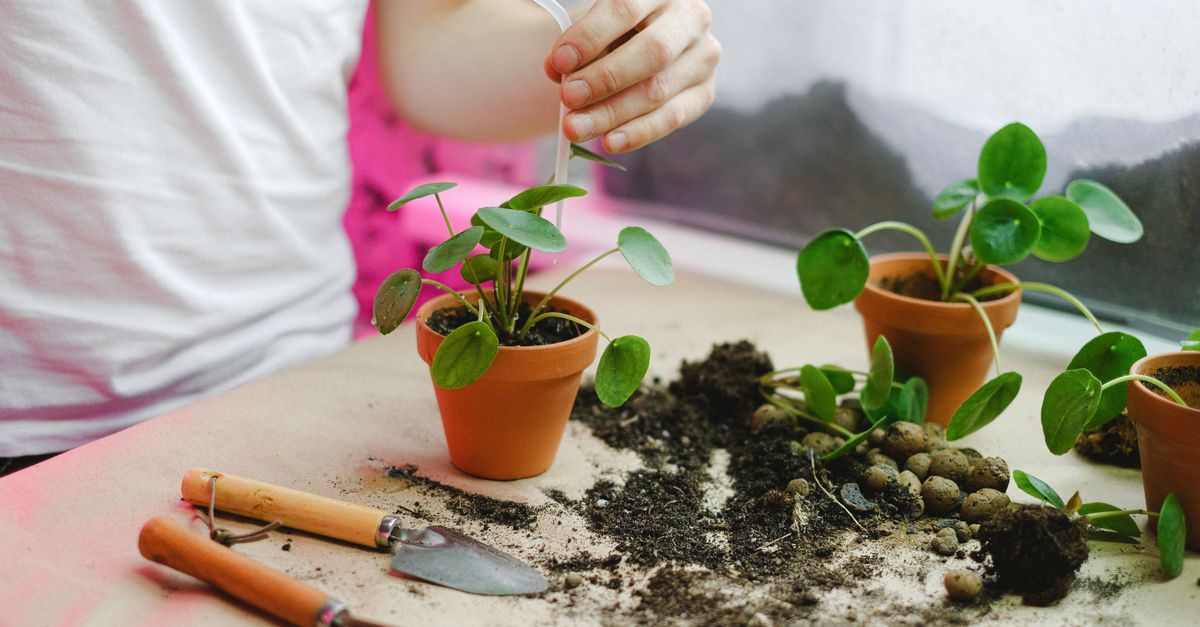
You bought that beautiful Monstera or Fiddle Leaf Fig, dreaming of a lush, vibrant corner in your living room. A few weeks, or perhaps months, pass, and suddenly the leaves are yellowing, browning at the edges, or worse, dropping off entirely. You’ve watered it, maybe even talked to it, but it just seems to be fading fast. The internet is full of advice – ‘water thoroughly,’ ‘bright indirect light,’ ‘don’t overwater’ – but it often feels contradictory, leaving you more confused than ever. What if I told you that much of the conventional wisdom is missing the real reasons your plants are struggling, and that the solutions are often simpler, and sometimes even counter-intuitive, than you think?
In my years of transforming sad-looking specimens into thriving indoor jungles, I’ve realized that most plant owners make a few fundamental mistakes that stem from misunderstanding a plant’s true natural habitat and basic biological needs. It’s not about having a green thumb; it’s about understanding the subtle language your plants are speaking through their leaves, soil, and growth patterns.
Key Takeaways
- Most dying plants are suffering from too much attention, not too little, particularly overwatering and excessive fertilization.
- The biggest mistake new plant parents make is treating all plants the same, ignoring species-specific light and humidity needs.
- Potting mix quality and drainage are far more critical for root health than commonly emphasized in quick care guides.
- Understanding dormancy cycles and adjusting care seasonally is crucial for long-term plant health, preventing unnecessary stress.
The Overwatering Paradox: Why ‘Thoroughly’ Often Means ‘Too Much’
When I first started with houseplants, I was convinced that if a plant looked sad, it must need water. After all, plants need water to live, right? This seemingly logical assumption is the downfall of countless indoor plants. The phrase ‘water thoroughly until it drains from the bottom’ is widely circulated, but it’s often misinterpreted, leading directly to one of the biggest killers of houseplants: root rot.
The counter-intuitive truth is that most plants die from overwatering, not underwatering. Why? Because thoroughly doesn’t mean frequently. When you water too often, especially before the top 2-3 inches of soil have completely dried out (or even more for drought-tolerant species), the roots sit in saturated, oxygen-deprived soil. Roots need oxygen just as much as they need water. Without it, they literally suffocate and begin to rot, turning mushy and black. By the time you see yellowing leaves or wilting, the damage is already significant.
What changed everything for me was shifting my focus from a rigid watering schedule to the feel of the soil and the weight of the pot. Instead of watering every Tuesday, I now pick up the pot. A light pot often means dry soil. I also stick my finger deep into the soil. If it’s still damp, I wait. For bigger pots, a moisture meter can be a lifesaver. Furthermore, ensure your pot has adequate drainage holes. A decorative pot without drainage is a death trap for roots, creating a stagnant pool at the bottom. Adding a layer of pebbles at the bottom of a pot without a drainage hole does not help; it merely raises the water table, creating a smaller zone of usable soil and still leading to root rot.
The ‘Bright Indirect Light’ Myth: Understanding a Plant’s True Luminosity Needs
‘Bright indirect light’ is the most common light recommendation you’ll find, and while it’s a good general guideline, it’s also incredibly vague and often misunderstood. What one person considers ‘bright indirect’ might be far too dim for a high-light plant or too intense for a low-light plant. The mistake I see most often is people placing plants with vastly different light requirements in similar locations, assuming all houseplants thrive under the same conditions.
The hidden cost of misjudging light is slow, agonizing decline. A plant needing high light (like a Fiddle Leaf Fig or most succulents) placed in a dim corner will become leggy, pale, and eventually drop leaves as it literally starves for energy. Conversely, a low-light plant (like a ZZ plant or snake plant) placed in direct, intense sun will get scorched leaves, appearing as brown, crispy patches. It’s a delicate balance.
My approach now is to research each plant’s specific natural habitat. Does it grow on the forest floor, under a canopy? (Low light). Does it grow on trees, exposed to dappled sun? (Bright indirect). Does it grow in arid, open landscapes? (High direct light). A south-facing window offers the most intense light, an east window gentle morning sun, a west window harsh afternoon sun, and a north window provides consistently low, even light. I also pay attention to my home’s microclimates – a corner 10 feet from a window is significantly darker than right beside it, even if it feels ‘bright’ to me. Using a light meter (even a simple phone app can give you a rough idea) can surprisingly illuminate just how dim your ‘bright’ room actually is.
The Over-Fertilization Trap: When Too Much Love Kills Your Plants
Just like overwatering, new plant parents often fall into the trap of thinking that if a little fertilizer is good, more must be better. Or, they panic when a plant looks unwell and assume it’s nutrient deficient, reaching for the plant food. In my experience, fertilizer is one of the least important factors for a struggling plant and can often do more harm than good.
Over-fertilization leads to ‘fertilizer burn,’ where the excess salts in the soil draw moisture out of the plant’s roots, leading to crispy brown leaf edges and overall decline. It’s like giving someone a concentrated salt solution when they’re thirsty – it dehydrates them further. Most potting mixes contain enough nutrients for several months, and many houseplants are not heavy feeders to begin with, especially during their dormant periods.
What changed everything for me was realizing that fertilizer is primarily for healthy, actively growing plants, not sick ones. If a plant is stressed by improper watering or light, adding fertilizer is like pouring gasoline on a fire. I now only fertilize during the active growing season (spring and summer) and at half the recommended strength, if at all. For most of my plants, a slow-release granular fertilizer applied once a year in spring, or a very dilute liquid feed every 4-6 weeks, is more than sufficient. And if a plant looks sad, I first check watering, light, and potential pests before even considering fertilizer.
The Silent Killer: Poor Potting Mix and Lack of Drainage
While we often focus on the visible parts of the plant, the real magic (or misery) happens below the surface, in the root zone. The quality and composition of your potting mix, along with effective drainage, are absolutely critical and yet frequently overlooked. Many commercial potting mixes, especially the cheaper ones, can become compacted, holding too much moisture and suffocating roots, even if the pot has drainage holes.
The hidden cost here is chronic root stress. A dense, poorly draining soil creates an anaerobic environment, hindering nutrient uptake and promoting disease. You might be providing perfect light and water, but if the roots are struggling, the plant will eventually decline. The mistake I see most often is people using garden soil (which is far too heavy and prone to compaction) or cheap, peat-heavy mixes that don’t allow for adequate aeration.
What changed everything for me was learning to amend my potting mix. I now rarely use an off-the-shelf mix as-is. For most tropical houseplants, I create a blend that includes components like perlite or pumice for aeration, coco coir or peat moss for moisture retention, and orchid bark for structure and drainage. This provides a loose, well-draining environment that still holds enough moisture without becoming waterlogged. For succulents and cacti, I lean even heavier on gritty materials like coarse sand, perlite, and small gravel. Repotting every 1-2 years, or when the plant becomes root-bound, also allows me to refresh the soil and inspect the roots for health, making sure they have ample room to grow.
Ignoring Dormancy: Why Your Plant Isn’t ‘Dying’ but Just Resting
Many indoor plants, especially those originating from temperate or distinct seasonal climates, undergo a period of dormancy. This is a natural rest phase, typically in winter, where growth slows down or stops entirely. During this time, the plant conserves energy and requires significantly less water and fertilizer.
The hidden cost of ignoring dormancy is causing undue stress. The mistake I see most often is people continuing the same watering and fertilizing routine year-round. When a plant goes dormant, its metabolic processes slow down. It needs less water because it’s not actively growing and transpiring as much. If you continue to water frequently, those roots sit in cold, wet soil, making them highly susceptible to rot. Similarly, fertilizing a dormant plant is pointless and can lead to salt buildup.
What changed everything for me was recognizing the subtle signs of dormancy – slower growth, smaller new leaves, or even a temporary halt in new growth. During these months, I drastically reduce watering frequency (sometimes by half or more) and completely stop fertilizing. My approach now is to observe the plant’s natural rhythm. If it’s actively pushing out new leaves, I maintain a consistent care routine. If it seems to be in a holding pattern, I back off. This seasonal adjustment is crucial for the plant’s long-term health, allowing it to rest and rejuvenate for the next growing season, rather than pushing it to perform unnaturally year-round.
Frequently Asked Questions
Q: My plant’s leaves are turning yellow. Is it overwatering or underwatering?
A: Yellowing leaves are the most common symptom for both, which is why it’s so confusing. If the yellow leaves are soft and mushy, especially at the base, and the soil feels wet, it’s almost certainly overwatering and root rot. If the yellow leaves are crispy and dry, and the soil is bone dry, it’s underwatering. Always check the soil moisture deeply before deciding.
Q: How do I know when to repot my plant?
A: Look for roots growing out of the drainage holes, roots circling tightly at the top of the soil, or the plant drying out very quickly after watering (indicating it’s mostly roots, not soil). A good rule of thumb is every 1-2 years, or when the plant’s growth slows despite good care, and its roots appear to be filling the pot.
Q: Can I save a plant with root rot?
A: Often, yes! Gently remove the plant from its pot and inspect the roots. Trim away any mushy, black, or foul-smelling roots with sterilized scissors. Repot into fresh, well-draining soil in a clean pot (or the same pot after sterilizing). Water very sparingly afterward, only when the soil is completely dry, and place it in bright, indirect light to recover.
Q: My plant isn’t growing at all. What should I do?
A: First, assess its light conditions. Lack of growth is often due to insufficient light. Second, consider the season; it might be dormant. Also, check for pests or root issues. If it’s healthy but just not growing, ensure it has enough light, a good quality potting mix, and consider a dilute feed during its active growing season.
Q: What’s the best way to increase humidity for my tropical plants?
A: Grouping plants together creates a microclimate, humidifiers are very effective, and pebble trays with water can help (ensure the pot is on the pebbles, not in the water). Misting leaves is largely ineffective and can promote fungal issues, as it only temporarily increases surface humidity.
Understanding your plants means listening to their subtle cues and moving past generic advice. It’s about building a connection based on observation and a little bit of scientific insight into their natural needs. Don’t be afraid to adjust your approach based on what your plant is telling you, rather than sticking to a rigid schedule. With these insights, you’ll be well on your way to a thriving indoor garden, turning those yellowing leaves into lush, green growth. Start by checking your soil moisture right now, and then re-evaluate your light conditions – those are often the most impactful first steps.